
Reviews
In-depth, scored reviews to help you pick the right product.
Asus Zenbook 14 OLED Touch
The Asus Zenbook 14 OLED Touch represents a mature evolution in premium ultraportable design, delivering a harmonious balance of performance, portability, and visual excellence. This 2.82-pound laptop features a stunning 2880x1800 OLED touchscreen with 120Hz refresh capability, Intel Core Ultra 7 processors, and a 75Wh battery that consistently delivers over 12 hours of real-world use. The device excels in productivity workflows with 32GB of soldered LPDDR5X RAM and 1TB storage, housed in a fingerprint-prone but premium aluminum chassis. While the keyboard feels slightly mushy and thermal throttling affects sustained workloads, the combination of build quality, display excellence, comprehensive port selection including dual Thunderbolt 4, and competitive specifications make this a compelling choice for professionals prioritizing portability without sacrificing screen quality.[^1][^2][^3][^4][^5]
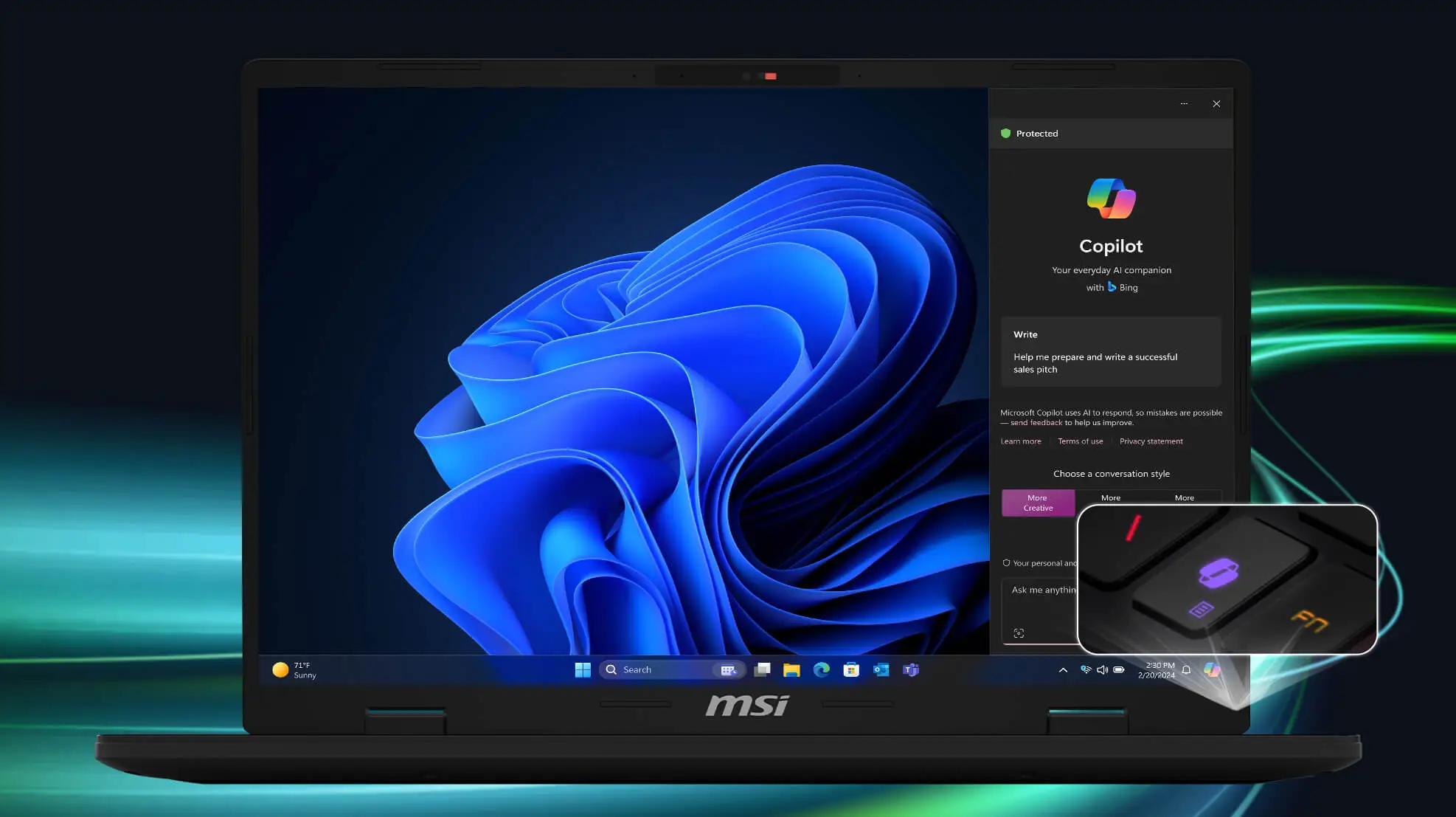
MSI Crosshair 16 HX
The MSI Crosshair 16 HX positions itself as a versatile gaming laptop that balances portability with performance. Equipped with either Intel Core i7 14700HX or Core Ultra 9 275HX processors paired with RTX 4060 or RTX 5070 GPUs, the Crosshair 16 HX features a 16-inch QHD+ (2560x1600) 240Hz IPS display. The laptop stands out for its exceptional thermal management system, Cooler Boost 5 technology that keeps temperatures remarkably low even under sustained load. While the build quality feels premium and the keyboard offers satisfying tactile feedback, the pairing of a high-refresh display with mid-tier graphics creates a performance mismatch. The device excels at productivity tasks and CPU-intensive workloads but requires settings adjustments to achieve frame rates that match the display capability.[^1][^2][^3]
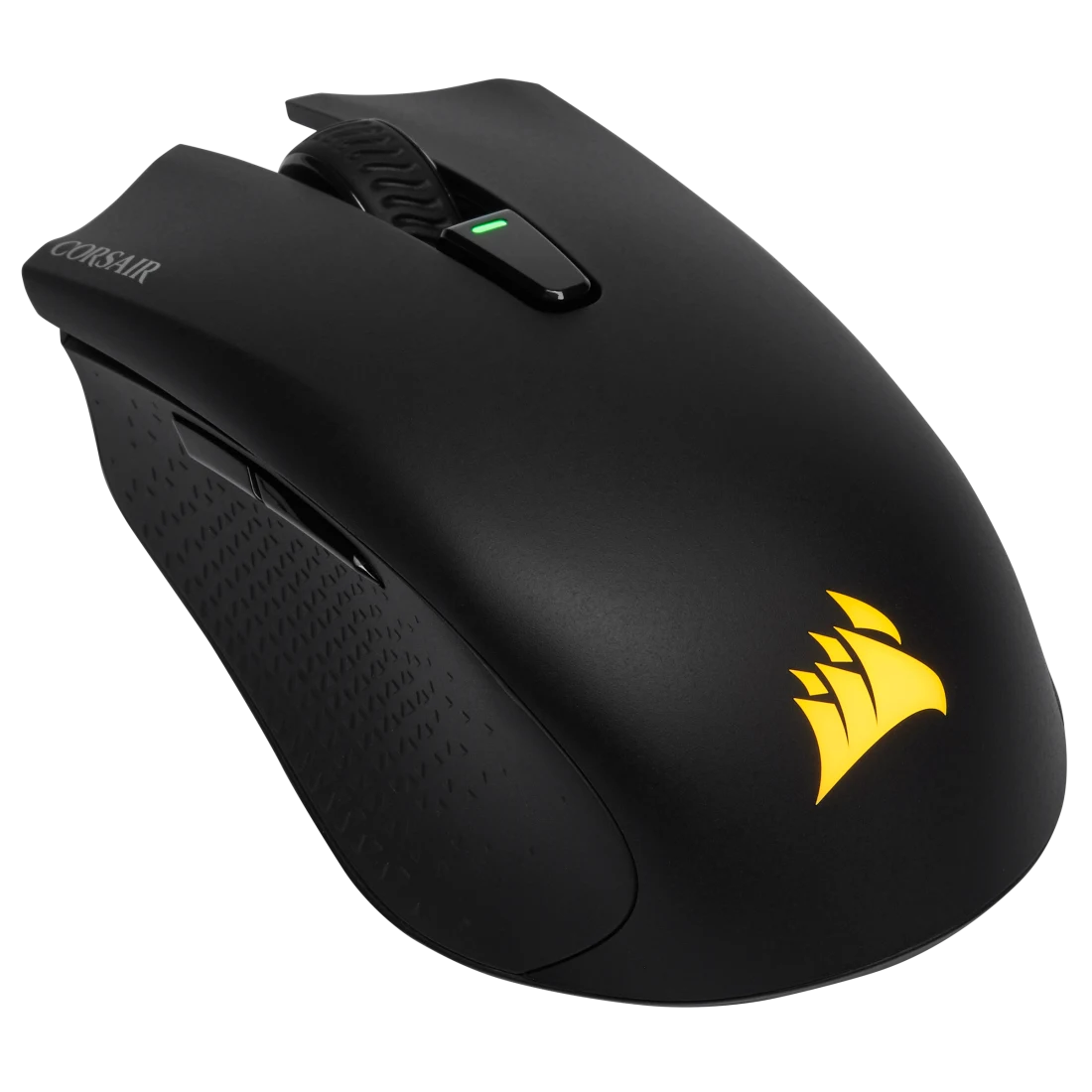
Corsair Harpoon RGB Pro: The Lightweight King of Budget Precision
The Corsair Harpoon RGB Pro remains a staple in the entry-level gaming market. Known for its lightweight 85g chassis and contoured shape, it caters specifically to claw and fingertip grip players who prioritize agility over a plethora of macro buttons. While it lacks the high-end sensors of its more expensive siblings, its 12,000 DPI optical sensor and Omron switches provide a reliable, no-frills experience for competitive play.
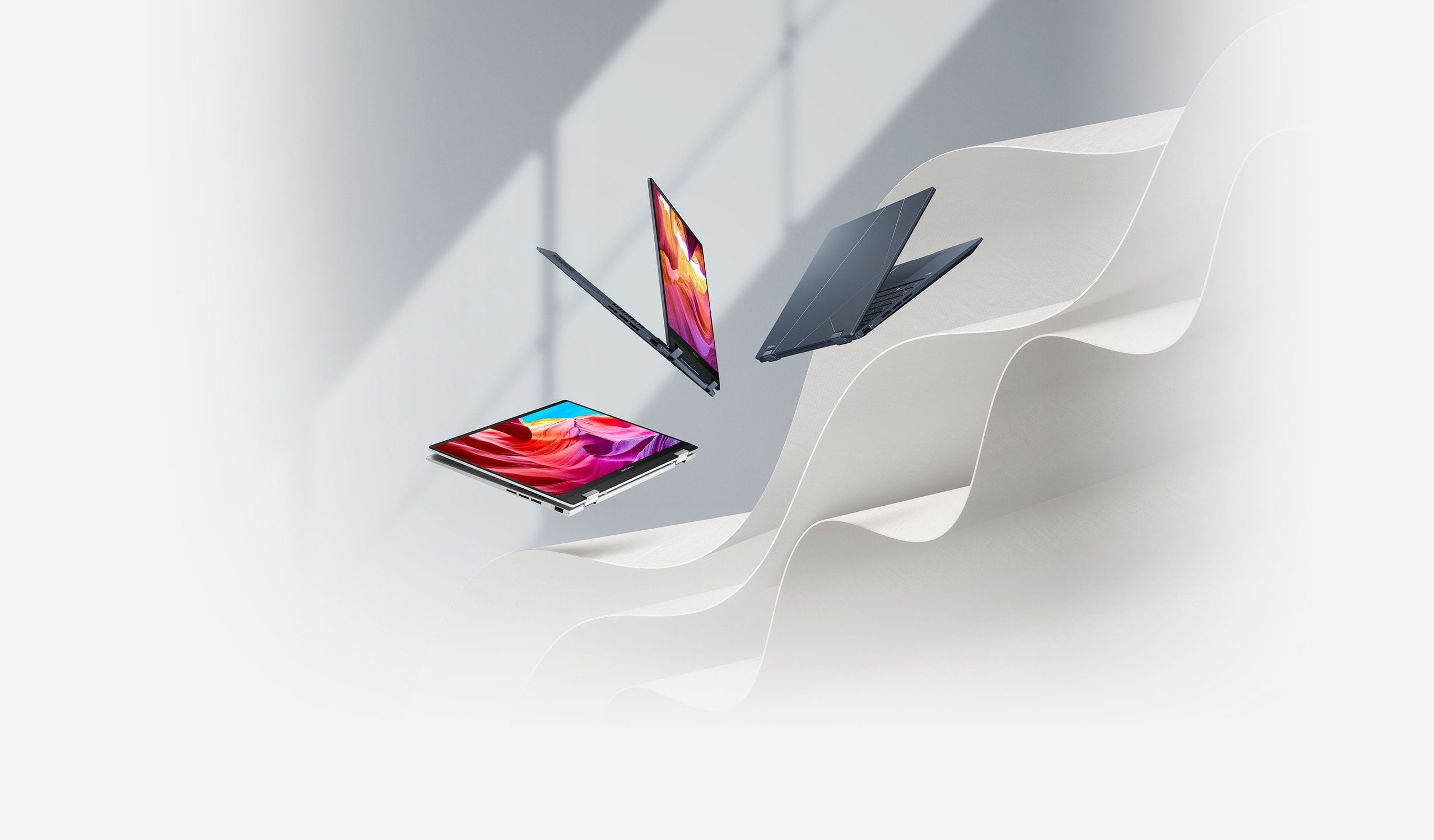
Asus ZenBook Flip S Evo
The Asus ZenBook Flip S Evo represents one of the first Intel Evo-certified convertibles featuring 11th Gen Tiger Lake processors and Thunderbolt 4 connectivity. This 2-in-1 ultrabook delivers exceptional color accuracy through its 4K OLED touchscreen and maintains an impressively lightweight 1.2kg chassis. However, the premium display technology demands substantial power, resulting in below-average battery endurance that falls short of competing systems. Professional reviewers praised its sophisticated design language and solid everyday performance, while consumers consistently highlighted the vivid screen quality but noted concerns about thermal management and hinge stiffness. The system targets mobile professionals and content creators who prioritize visual fidelity and portability over marathon battery sessions.[^1][^2][^3][^4][^5][^6][^7]
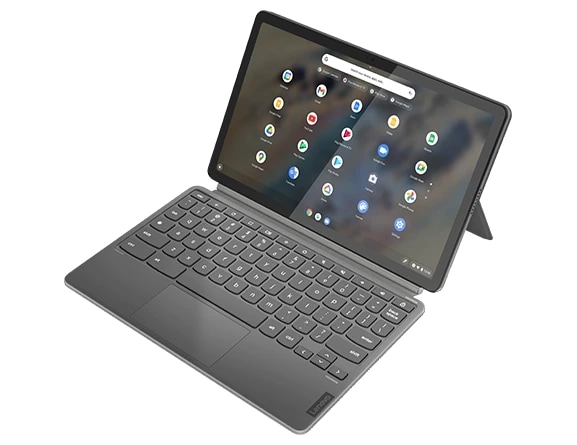
Lenovo Chromebook Duet 3
The Lenovo Chromebook Duet 3 represents a meaningful evolution from its predecessor, addressing key performance shortcomings while maintaining the compact form factor that made the original popular. Built around Qualcomm's Snapdragon 7c Gen 2 processor, this detachable 2-in-1 delivers sufficient performance for everyday ChromeOS tasks while maintaining excellent battery life. The included keyboard and kickstand eliminate the need for expensive add-ons, and the bright 2K display provides sharp visuals in a portable package. However, the compact size that enables portability also creates compromises in typing comfort and screen real estate for multitasking.[^1][^2][^3][^4][^5][^6]
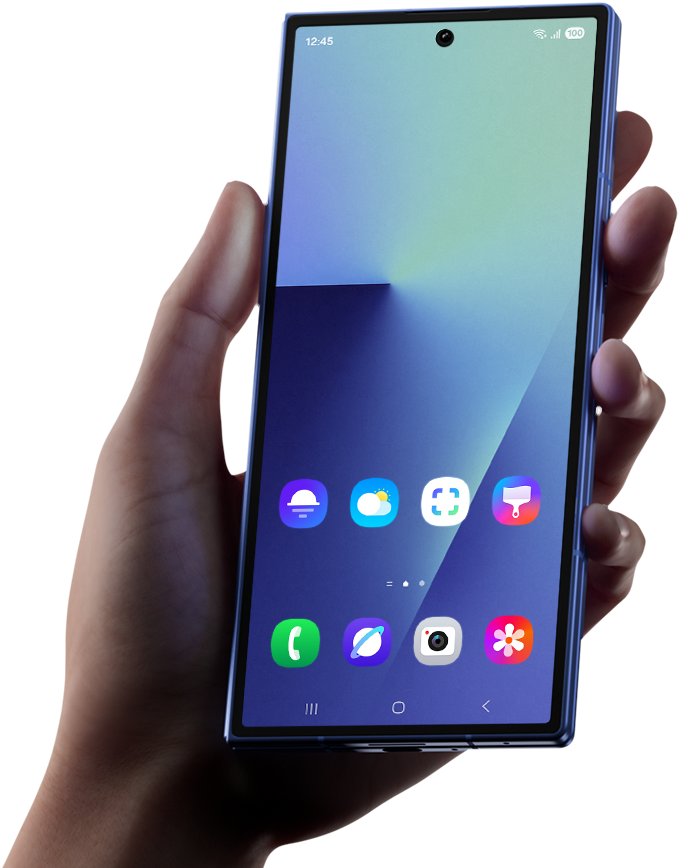
Samsung Galaxy Z Fold 7
The Samsung Galaxy Z Fold 7 represents a pivotal shift for Samsung's foldable line. Moving away from incremental updates, the Fold 7 focuses on ergonomics, targeting a significantly thinner profile that rivals traditional slabs. With the integration of the Snapdragon 8 Gen 5 (based on early-year cycles) and a refined "IronFlex" display, Samsung is doubling down on durability while introducing Galaxy AI 2.0 features specifically designed for the expanded canvas. While the camera hardware remains a step behind the S26 Ultra, the software optimization and ecosystem synergy make it the most polished foldable experience on the market.
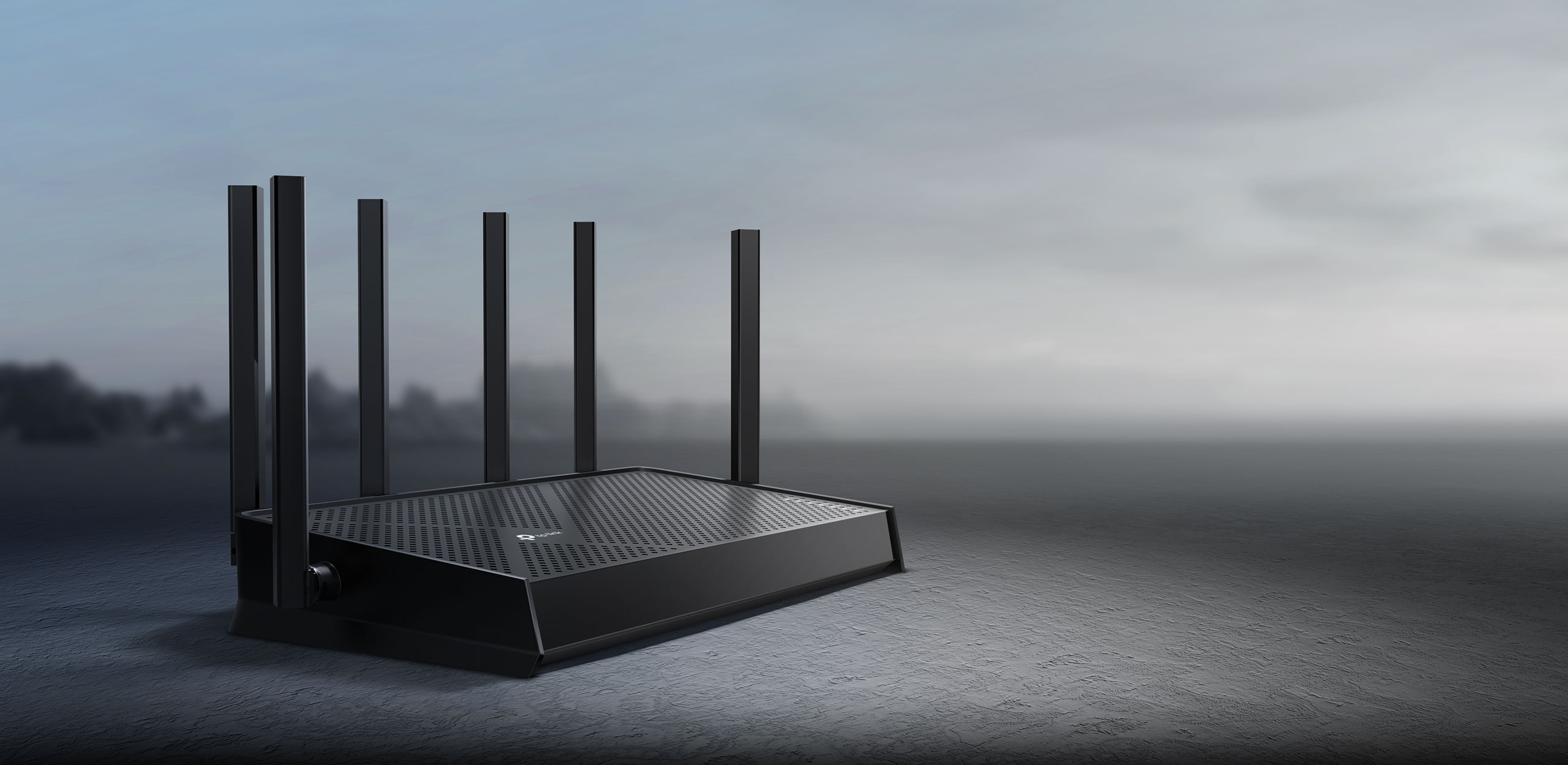
TP-Link Archer BE9700: The Definitive Entry Point to the Wi-Fi 7 Era
The TP-Link Archer BE9700 stands as a formidable tri-band Wi-Fi 7 router designed to bridge the gap between enthusiast hardware and mainstream usability. Featuring Multi-Link Operation (MLO) and significantly increased bandwidth via the 6GHz spectrum, it offers a massive leap over Wi-Fi 6/6E standards for compatible devices.
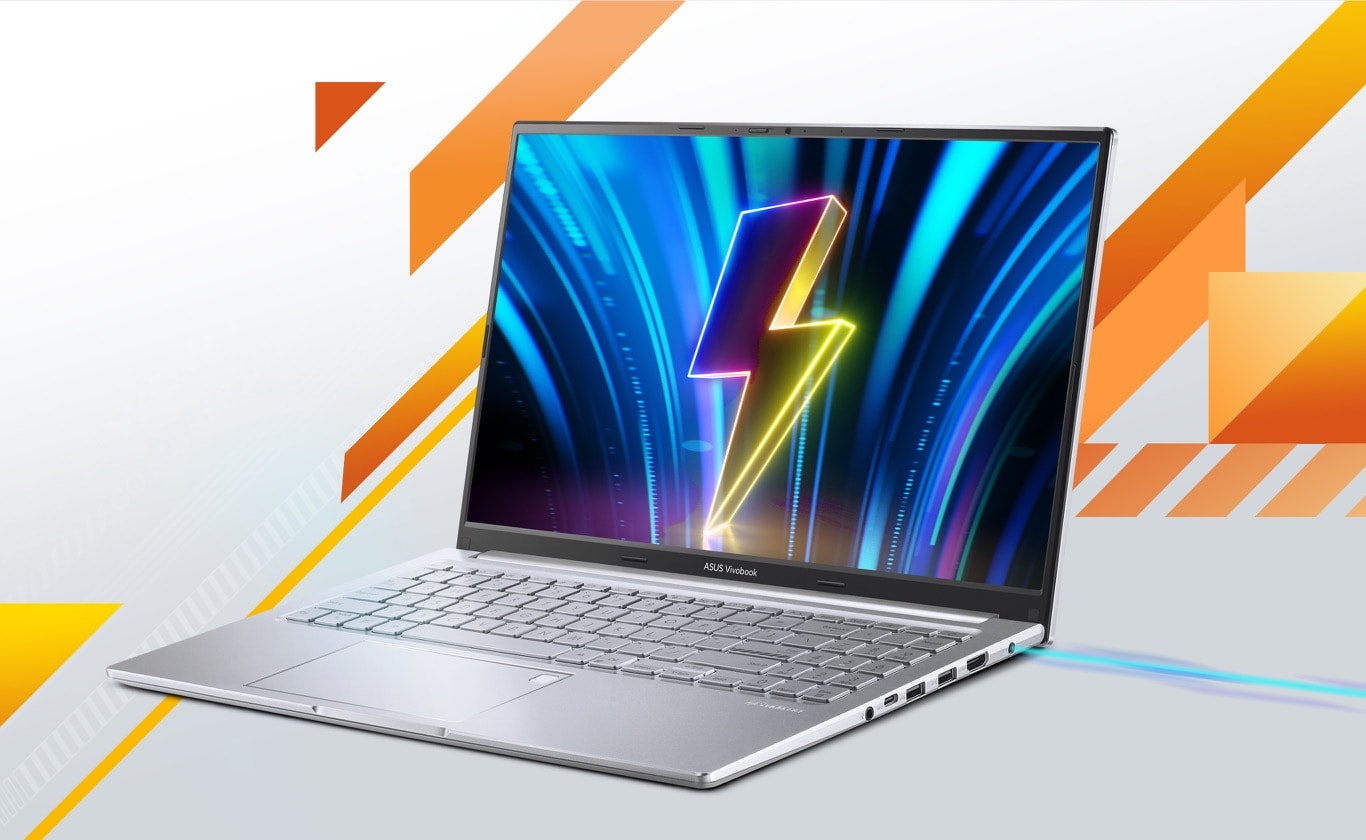
ASUS Vivobook 16 M1605
The ASUS Vivobook 16 M1605 positions itself as a sensible choice for users who prioritize screen space and productivity over premium features. Built around AMD Ryzen 5000 and 7000 series U-series processors with integrated graphics, this laptop delivers competent performance for general computing tasks while maintaining portability at 1.88 kg. The 16-inch FHD+ display with a 16:10 aspect ratio provides ample workspace for multitasking, though brightness limitations affect outdoor usability. Battery life emerges as a genuine strength, with users reporting over eight hours of light use. The keyboard offers comfortable typing with good key travel, while the large touchpad responds reliably to gestures. However, the laptop struggles with demanding workloads due to integrated graphics performance, and models equipped with 8GB RAM operate in single-channel mode until upgraded. The display's narrow color gamut produces washed-out colors, limiting its appeal for media consumption or creative work. Thermal management performs well, with the laptop remaining cool and quiet during typical use.[^1][^2]

Dell XPS 17 (9730)
The Dell XPS 17 (9730) represents the fourth iteration of Dell's flagship 17-inch productivity laptop, updating internal components while maintaining the proven design formula established in 2020. This 2023 refresh delivers Intel's 13th Generation Core i7-13700H processor alongside Nvidia's RTX 40-series graphics, providing substantial performance gains for professional workloads. The standout feature remains its stunning 17-inch UHD+ touchscreen with 3840x2400 resolution, achieving 100% sRGB and 98% DCI-P3 color coverage. While the premium aluminum construction, exceptional build quality, and professional aesthetics continue to impress reviewers, critics note Dell has maintained the same external design for three consecutive years. The laptop serves demanding creative professionals and prosumers who require desktop-class performance in a portable form factor, though thermal management and component limitations prevent it from matching dedicated gaming systems.[^1][^2][^3][^4]

Dell Latitude 7450 2-in-1
The Dell Latitude 7450 2-in-1 positions itself as a premium business convertible designed for professionals who demand flexibility and reliability. This aluminum-bodied device combines Intel's Core Ultra processors with comprehensive security features and convertible functionality, weighing just 1.5 kg while delivering approximately 11 hours of battery life. The machine excels at productivity tasks with its full port selection including Thunderbolt 4 and Wi-Fi 7 connectivity, though it stumbles with a display limited to 60Hz refresh rate and modest 51% sRGB color coverage on base configurations. Dell has equipped this convertible with enterprise-grade features including vPro support, Dell Optimizer software, and multiple biometric authentication options, making it particularly attractive for IT departments managing large fleets.[^2][^3][^4][^1]

Dell Inspiron 15 7000
The Dell Inspiron 15 7000 represents a compelling midrange option for users seeking a capable desktop replacement without premium pricing. Available in standard laptop, gaming, and 2-in-1 configurations, the series delivers solid productivity performance through Intel Core i5 and i7 processors paired with dedicated graphics options ranging from NVIDIA GeForce MX250 to GTX 1650. The chassis exhibits sturdy construction with an all-metal build that competes with higher-end models. Battery endurance stands out as a consistent strength, with users reporting extended runtimes that support full workdays. However, thermal throttling under sustained loads and variable display quality across different panel options temper the otherwise positive reception.[^1][^2][^3][^4][^5][^6]
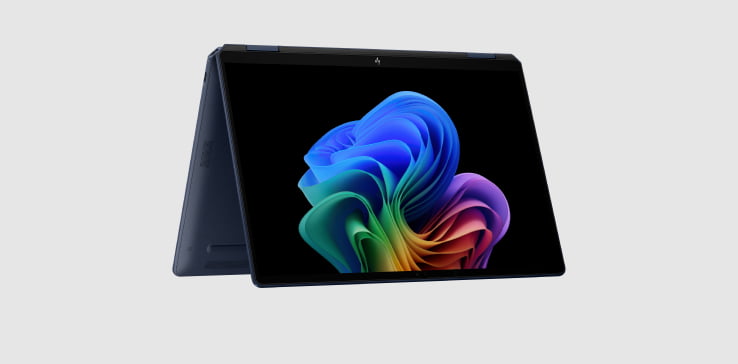
HP OmniBook Ultra 14
The HP OmniBook Ultra 14 represents the company's most premium consumer laptop offering, featuring AMD's latest Ryzen AI 9 processors that deliver exceptional CPU performance and battery life in a compact, well-built aluminum chassis. This Copilot+ PC supports Windows 11 and offers up to 32GB LPDDR5x RAM, 2TB storage, and Wi-Fi 7 connectivity. While the laptop excels in productivity tasks and can handle modern AAA gaming at respectable frame rates, it falls short in areas like keyboard quality, display characteristics, and port selection compared to similarly priced competitors. The device achieves approximately 8.5 hours of real-world battery life and features reliable instant-on capabilities that rival Arm-based laptops. Despite its \$1,350 starting price positioning it as a premium option, the OmniBook Ultra 14 ships with considerable bloatware and only offers a 60Hz IPS display when OLED options are becoming standard in this price range.[^1][^2][^3][^4][^5]

Samsung Galaxy Z Flip 7
After years of incremental updates, the Samsung Galaxy Z Flip 7 marks a pivotal shift for the series. By integrating a triple-camera system and a 4,500mAh silicon-carbon battery, Samsung has addressed the two biggest pain points: photography and longevity. The 4.0-inch 'Flex Window' cover display now supports full-app mirroring natively, reducing the need to unfold the device for routine tasks. While the crease is still visible under harsh lighting, the new 'LiquidHinge' architecture makes it nearly imperceptible to the touch, solidifying its place as the premier choice for those seeking a compact yet uncompromising smartphone experience in 2026.

The Modular Legend: A 2026 Retrospective on the ROCCAT Nyth’s Unmatched Customization
The ROCCAT Nyth remains a landmark in peripheral history, designed specifically for MMO and MOBA players who demand total control over their hardware layout. Featuring a swappable side-button grid and 3D-print support, it allows for thousands of physical configurations. While the ROCCAT brand has since transitioned into Turtle Beach, the Nyth persists as a cult favorite for its "build-it-yourself" philosophy, despite its aging laser sensor technology and substantial footprint.
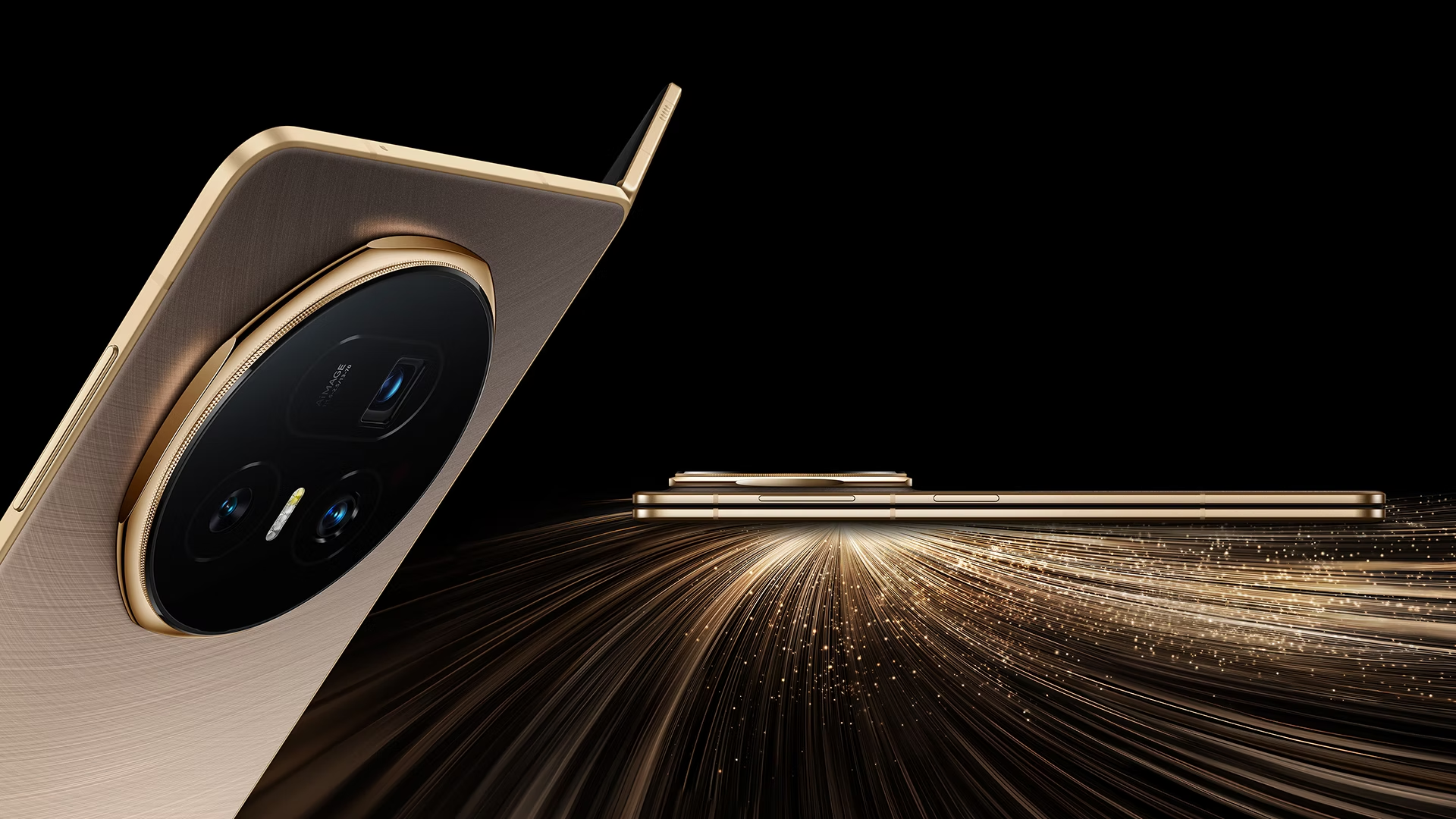
Honor Magic V5
The Honor Magic V5 represents the pinnacle of foldable structural engineering as of early 2026. By utilizing a third-generation Silicon-Carbon battery and a proprietary "Super-Steel" hinge mechanism, Honor has achieved a folded thickness of just 8.9mm. Beyond the slim profile, the device integrates the Snapdragon 8 Gen 5 chipset, a sophisticated triple-lens array with a 180MP periscope zoom, and an evolved MagicOS 9.5 that leans heavily into intent-based AI. While the hardware is arguably the best in its class, the software still carries some of the traditional MagicOS quirks, though the gap between Honor and its competitors (Samsung/Google) has narrowed significantly in terms of ecosystem cohesion.

The Shape-Shifting King: Why the Razer Naga Trinity Still Dominates the MMO Arena
The Razer Naga Trinity remains the gold standard for versatility in the gaming peripheral market. By offering three interchangeable side plates—featuring 2, 7, and 12-button configurations—it effectively replaces the need for separate FPS, MOBA, and MMO mice. Powered by a high-precision 16,000 DPI optical sensor and Razer's signature mechanical switches, it provides a tactile and responsive experience tailored for high-stakes gaming.

Google Pixel 9
The Google Pixel 9 represents a significant shift in Google’s hardware strategy. Moving away from the distinct "visor" design of previous years, it adopts a more industrial, premium aesthetic. Under the hood, the Tensor G4 focuses on efficiency and on-device AI performance rather than raw gaming benchmarks. With a massive jump to 12GB of RAM and a significantly brighter Actua display, it is no longer the "lesser" sibling, but a flagship in its own right, emphasizing AI utility through tools like Gemini Nano, Pixel Studio, and "Add Me" photography.

SteelSeries Rival Series: The Ergonomic Standard-Bearer for Multi-Genre Gaming
The SteelSeries Rival series, led by the versatile Rival 5 and the budget-conscious Rival 3, remains a cornerstone of the peripheral market. Known for its distinct right-handed ergonomic slope and the highly accurate TrueMove sensor technology, the Rival series balances performance with comfort. While the industry has shifted toward "ultralight" mice, the Rival holds its ground by offering more buttons and better structural integrity for gamers who find 60g mice too flimsy. Our research indicates a strong community preference for its "chameleon" nature—capable of handling FPS precision and MMO utility without the bulk of a dedicated num-pad mouse.